Drug rehabilitation, often referred to simply as rehab, is a critical process designed to help individuals struggling with substance use disorders regain control of their lives. It encompasses a variety of treatment approaches aimed at addressing the complex nature of addiction, which can affect not only the individual but also their families and communities. Understanding the significance of rehab is essential for anyone facing the challenges of addiction, as it serves as a beacon of hope and a pathway to recovery. At its core, drug rehabilitation involves a comprehensive approach that includes medical, psychological, and social support. This multifaceted strategy is crucial because addiction is not merely a physical dependence on substances; it also involves emotional and behavioral components that must be addressed for successful recovery.
Rehab programs typically offer a range of services, including detoxification, counseling, therapy sessions, and support groups, all tailored to meet the unique needs of each individual. The importance of rehab cannot be overstated. For many, it represents the first step toward a healthier and more fulfilling life. The journey through rehabilitation can be challenging, filled with obstacles such as withdrawal symptoms and emotional turmoil. However, with the right support system in place, individuals can learn coping strategies, develop healthier habits, and ultimately break free from the cycle of addiction.
By participating in rehab, individuals not only work towards sobriety but also gain valuable life skills that empower them to navigate future challenges without resorting to substance use.
Choosing the Right Rehabilitation Center
Choosing the right rehabilitation center is a critical step in the journey to recovery from drug addiction. With numerous options available in New York, it can be overwhelming to determine which facility will best meet your needs. Here are some essential factors to consider when selecting a rehab center:- Location: The location of the rehab center can significantly impact your recovery experience. Some individuals prefer a facility close to home for family support, while others may benefit from a more remote setting that allows them to focus solely on their recovery without external distractions.
- Treatment Methods: Different rehab centers employ various treatment approaches, including 12-step programs, cognitive-behavioral therapy (CBT), and holistic therapies.
Research the methods used by each facility and consider which aligns best with your personal beliefs and needs.
- Staff Qualifications: The expertise and experience of the staff are crucial in ensuring effective treatment. Look for centers with licensed professionals, including doctors, psychologists, and addiction counselors who have a proven track record in drug rehabilitation.
- Patient Reviews: Reading reviews from former patients can provide valuable insights into the quality of care at a rehab center. Look for testimonials that highlight the effectiveness of the treatment programs and the level of support provided by the staff.
- Aftercare Programs: Recovery doesn’t end after leaving rehab; ongoing support is vital. Inquire about aftercare services offered by the facility, such as outpatient programs, support groups, or continued counseling to help maintain sobriety.
This allows you to get a feel for the environment and ask any questions you may have directly. Trust your instincts; choosing a rehab center should feel right for you or your loved one. Some of the best rehab centers in New York are known for their comprehensive treatment plans and supportive environments. Facilities like Daylight Detox Recovery Center not only offer individualized treatment but also foster a community atmosphere that encourages healing and growth. Ultimately, selecting the right rehabilitation center is a personal decision that requires careful consideration of various factors. By taking the time to research and evaluate your options, you can find a facility that provides the support and resources necessary for successful recovery.
The Rehabilitation Process: What to Expect
Understanding the rehabilitation process is crucial for anyone considering treatment for drug addiction.The journey to recovery typically unfolds in several key stages, each designed to address the unique challenges faced by individuals struggling with substance use disorders.
Initial Assessment
The first step in the rehabilitation process is the initial assessment. During this phase, a qualified professional will conduct a comprehensive evaluation of the individual's physical and mental health, substance use history, and any co-occurring disorders. This assessment helps to create a personalized treatment plan that addresses specific needs and goals.Detoxification
Following the assessment, many individuals will undergo detoxification, or detox. This is a critical step where the body is allowed to rid itself of drugs or alcohol.Detox can be uncomfortable and even dangerous, depending on the substance used and the duration of use. Therefore, it is often conducted in a medically supervised environment to ensure safety and comfort.
Therapeutic Interventions
Once detox is complete, individuals typically transition into therapeutic interventions. This phase may include:- Individual Therapy: One-on-one sessions with a licensed therapist to explore underlying issues related to addiction.
- Group Therapy: Participation in group sessions where individuals share experiences and support one another.
- Family Therapy: Involving family members in therapy sessions to address relational dynamics that may contribute to addiction.
- Behavioral Therapies: Evidence-based approaches such as Cognitive Behavioral Therapy (CBT) that help modify harmful behaviors.
Aftercare Planning
The final stage of the rehabilitation process involves aftercare planning. This is essential for maintaining sobriety after leaving the rehab facility.Aftercare may include:
- Continued Therapy: Ongoing individual or group therapy sessions to reinforce coping strategies.
- Sober Living Environments: Transitional housing options that provide a supportive community for those in recovery.
- Support Groups: Participation in groups like Alcoholics Anonymous (AA) or Narcotics Anonymous (NA) for ongoing support.
Therapeutic Approaches Used in Rehab
Drug rehabilitation programs in New York employ a variety of therapeutic approaches to address the complex nature of addiction. These methods are designed to help individuals not only overcome their substance use but also develop the skills necessary for long-term recovery. Below, we explore some of the most effective therapies utilized in rehab settings.Cognitive-Behavioral Therapy (CBT)
Cognitive-Behavioral Therapy
is one of the most widely used therapeutic approaches in drug rehabilitation.
This evidence-based method focuses on identifying and changing negative thought patterns and behaviors associated with addiction. Through CBT, patients learn to recognize triggers that lead to substance use and develop coping strategies to manage cravings. The structured nature of CBT allows individuals to set specific goals and track their progress, making it a highly effective tool for fostering lasting change.
Group Therapy
Group therapy
is another cornerstone of many rehabilitation programs. In this setting, individuals share their experiences and challenges with others who are facing similar struggles.
This communal approach not only provides emotional support but also fosters a sense of accountability among participants. Group therapy sessions often include discussions led by a trained facilitator, allowing for guided exploration of topics such as relapse prevention, coping mechanisms, and personal growth.
Holistic Approaches
In addition to traditional therapies, many rehab centers in New York incorporate holistic approaches into their treatment plans. These methods focus on treating the whole person—mind, body, and spirit—rather than just the addiction itself. Holistic therapies may include:- Yoga and Meditation: These practices promote mindfulness and relaxation, helping individuals manage stress and anxiety.
- Aromatherapy: Utilizing essential oils can enhance emotional well-being and create a calming environment.
- Nutritional Counseling: A balanced diet plays a crucial role in recovery, as proper nutrition can improve mood and overall health.
- Art and Music Therapy: Creative expression can be therapeutic, allowing individuals to process emotions and experiences in a non-verbal way.
By combining evidence-based practices with holistic methods, drug rehabilitation centers in New York aim to equip patients with the tools they need for successful recovery and a healthier future.
Support Systems During Recovery
Recovery from addiction is a multifaceted journey that extends beyond the walls of a rehabilitation center. One of the most critical components of this journey is the presence of robust support systems. These systems can significantly enhance the chances of long-term sobriety and overall well-being.Support Groups for Addiction
Support groups play a vital role in the recovery process. Organizations such as Alcoholics Anonymous (AA) and Narcotics Anonymous (NA) provide a safe space for individuals to share their experiences, challenges, and triumphs.
These groups foster a sense of community and belonging, which can be incredibly beneficial for those in recovery. Members often find solace in knowing they are not alone in their struggles, and they can learn from others who have successfully navigated similar paths.
- Regular Meetings: Most support groups hold regular meetings, allowing individuals to connect consistently with others who understand their journey.
- Shared Experiences: Participants share their stories, which can provide insights and coping strategies that may not be available through traditional therapy.
- Sponsorship: Many programs encourage members to find a sponsor—someone who has successfully maintained sobriety and can offer guidance and support.
Family Involvement in Rehab
The role of family in the recovery process cannot be overstated. Family members often serve as the first line of support for individuals battling addiction. Their involvement can take many forms:
- Education: Families should educate themselves about addiction to better understand what their loved one is experiencing.
- Communication: Open lines of communication are essential.
Family members should feel comfortable discussing feelings, concerns, and progress without judgment.
- Participation in Therapy: Many rehabilitation programs offer family therapy sessions, which can help address underlying issues and improve relationships.
Aftercare Support
The journey does not end upon leaving a rehabilitation center; rather, it marks the beginning of a new chapter. Aftercare support is crucial for maintaining sobriety and preventing relapse. This may include:
- Continued Therapy: Ongoing counseling or therapy sessions can help individuals navigate the challenges they face after rehab.
- Sober Living Environments: Some individuals benefit from transitional housing that provides a supportive environment while they adjust to life outside rehab.
- Community Resources: Engaging with local resources such as job training programs or educational opportunities can help individuals build a fulfilling life in recovery.
Cost of Drug Rehabilitation in New York
Understanding the cost of drug rehabilitation in New York is crucial for individuals and families seeking help for addiction.The financial burden of treatment can often be a significant concern, but knowing the average costs and available options can help ease some of that anxiety. On average, the cost of rehab in New York can vary widely depending on several factors, including the type of facility, the length of stay, and the specific services provided. Generally, outpatient programs may range from $1,000 to $10,000 for a 30-day program, while inpatient treatment can cost between $6,000 and $30,000 for a month-long stay. Luxury facilities may charge even more, sometimes exceeding $100,000 for comprehensive care. Many individuals wonder about insurance coverage for rehab. Fortunately, most health insurance plans are required to cover addiction treatment under the Affordable Care Act (ACA).
This means that if you have insurance, it’s essential to check your policy to understand what services are covered. Many plans will cover a portion of inpatient and outpatient treatment costs, including detoxification and therapy sessions. However, coverage can vary significantly between plans, so contacting your insurance provider directly is advisable to clarify your benefits. For those without insurance or with limited financial resources, there are options for financial assistance. Numerous state-funded programs and non-profit organizations offer sliding scale fees based on income or provide grants to help cover treatment costs.
Additionally, some rehab centers have their own financial aid programs designed to assist individuals in need. It’s worth researching local resources or speaking with a treatment center’s admissions team to explore available options. In summary, while the cost of drug rehabilitation in New York can be daunting, understanding your options for insurance coverage and financial assistance can make treatment more accessible. Taking the first step towards recovery is vital, and knowing that support is available can empower individuals to seek the help they need.
Success Rates and Challenges of Drug Rehabilitation
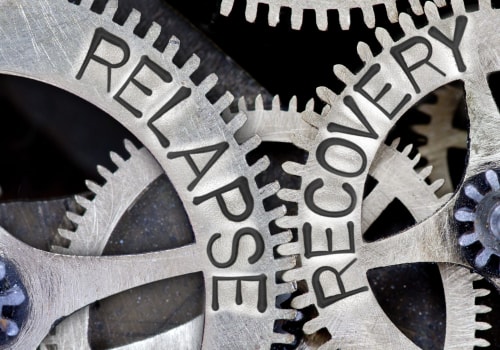
Understanding the success rates of drug rehabilitation programs is crucial for individuals seeking help and their families. While statistics can vary widely based on the type of program, the population served, and the duration of treatment, studies suggest that approximately 40% to 60% of individuals who complete a rehabilitation program will experience a significant reduction in substance use.However, it is essential to recognize that recovery is a lifelong process, and success can be defined in various ways beyond mere abstinence. One of the primary challenges faced during recovery is the risk of relapse. Research indicates that relapse rates for substance use disorders can be as high as 50% to 90%, particularly within the first year after treatment. Factors contributing to relapse include:
- Environmental Triggers: Returning to environments associated with past drug use can provoke cravings.
- Emotional Stress: Stressful life events or emotional turmoil can lead individuals back to substance use as a coping mechanism.
- Lack of Support: A weak support system can make it difficult for individuals to maintain their sobriety.
- Developing Coping Skills: Learning healthy coping mechanisms to deal with stress and triggers is vital.
This may include mindfulness practices, exercise, or engaging in hobbies.
- Building a Support Network: Establishing connections with supportive friends, family members, or support groups can provide encouragement and accountability.
- Avoiding High-Risk Situations: Identifying and avoiding situations that may lead to drug use is crucial for maintaining sobriety.
- Continuing Care: Engaging in aftercare programs or ongoing therapy can help individuals stay focused on their recovery goals.
Frequently Asked Questions About Drug Rehabilitation
When considering rehab for drug addiction, many individuals and their families have questions. Understanding the process and addressing common misconceptions can significantly ease the journey toward recovery. Here are some frequently asked questions about drug rehabilitation:What is drug rehabilitation?
Drug rehabilitation, often referred to as rehab, is a structured program designed to help individuals overcome substance use disorders.It typically involves a combination of medical treatment, therapy, and support to assist individuals in achieving and maintaining sobriety.
How long does rehab last?
The duration of a rehab program can vary widely depending on the individual's needs and the severity of their addiction. Most programs range from 30 to 90 days, but some may extend for several months or even longer for those requiring more intensive support.Will insurance cover rehab?
Many insurance plans offer coverage for drug rehabilitation services, but the extent of coverage can differ significantly. It’s essential to check with your insurance provider to understand what services are covered and any out-of-pocket costs you may incur.What types of therapies are used in rehab?
Rehabilitation centers often employ a variety of therapeutic approaches, including:- Cognitive Behavioral Therapy (CBT): Helps individuals identify and change negative thought patterns related to substance use.
- Motivational Interviewing: Encourages individuals to find their own motivation for change.
- Group Therapy: Provides a supportive environment where individuals can share experiences and learn from one another.
- Family Therapy: Involves family members in the recovery process to address underlying issues and improve communication.
Is rehab effective?
Research indicates that rehab can be highly effective in helping individuals achieve long-term sobriety. Success rates improve when individuals engage fully in their treatment and follow up with aftercare programs.What are some common myths about rehab?
- Myth 1: Rehab is only for people who have hit rock bottom.
This is false; anyone struggling with addiction can benefit from treatment at any stage.
- Myth 2: You can quit on your own without help. Addiction is a complex disease that often requires professional support for successful recovery.
- Myth 3: All rehab programs are the same. This is untrue; different programs offer various approaches tailored to individual needs.
Conclusion: Taking the First Step Towards Recovery
As we conclude this comprehensive guide on drug rehabilitation in New York, it is essential to reflect on the critical points discussed throughout the article.The journey to recovery is not just a personal battle; it is a collective effort that requires understanding, support, and commitment from both individuals and their loved ones. Throughout this guide, we have explored the various facets of rehab, including the importance of individualized treatment plans, the role of detoxification, and the significance of ongoing support through therapy and support groups. Each of these elements plays a vital role in helping individuals reclaim their lives from the grips of addiction. It is crucial to recognize that taking the first step towards recovery can be daunting. Many individuals may feel overwhelmed by feelings of shame, fear, or uncertainty about what lies ahead. However, it is important to remember that seeking help is a sign of strength, not weakness.
By reaching out to a rehab center in New York, you are taking a proactive step towards healing and transformation. If you or someone you care about is struggling with addiction, do not hesitate to seek assistance. The resources available in New York are designed to provide compassionate care and effective treatment tailored to individual needs. Whether it’s through inpatient programs, outpatient services, or community support groups, there are pathways available that can lead to lasting recovery. In summary, recovery from addiction is possible with the right support and resources. It begins with acknowledging the problem and taking that courageous first step towards change.
Remember that you are not alone in this journey; countless others have walked this path and emerged stronger on the other side. Embrace the opportunity for a healthier future—reach out for help today.