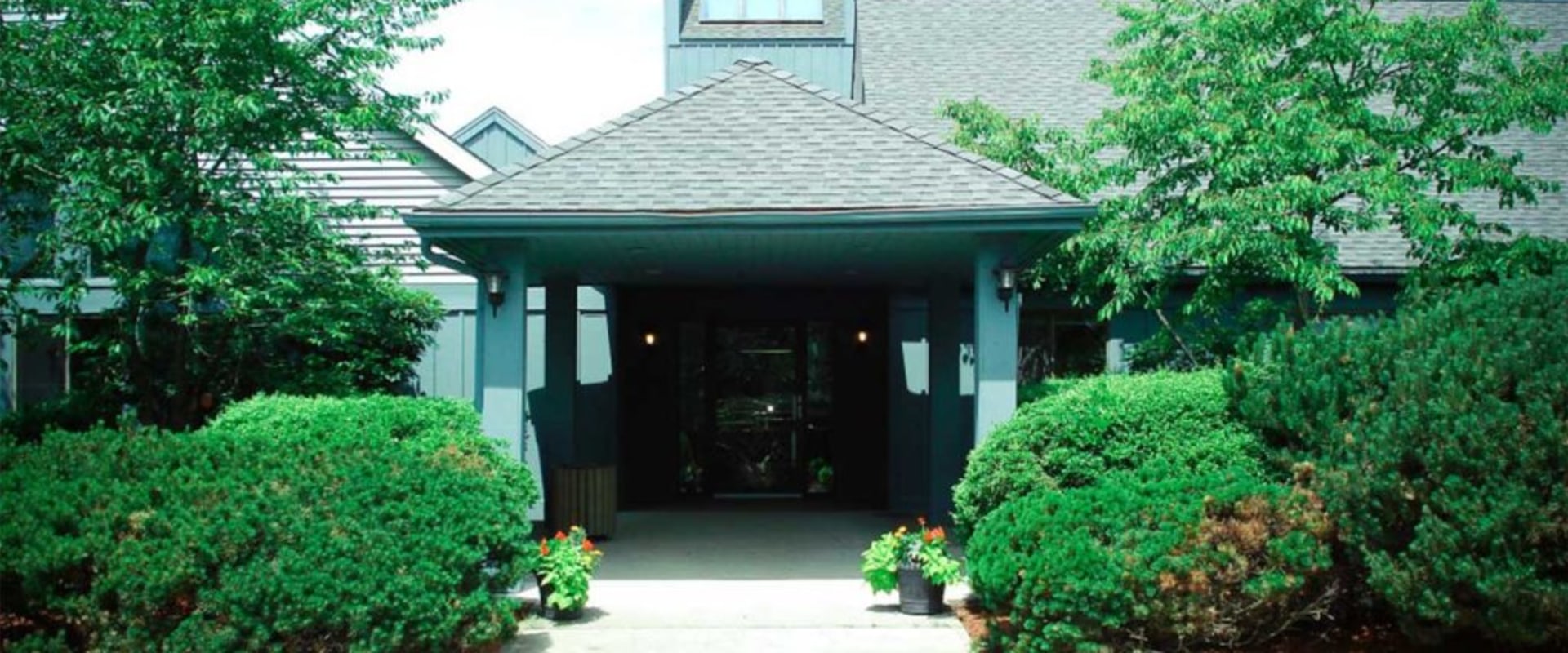
Rehabilitation centers play a crucial role in the journey toward recovery for individuals struggling with addiction, physical injuries, or mental health issues. These facilities are designed to provide comprehensive support and treatment tailored to the unique needs of each patient. Whether someone is battling substance abuse or recovering from a debilitating injury, the right rehabilitation center can make all the difference in achieving lasting recovery and improved quality of life. There are various types of Rehabilitation centers play a crucial role in the journey toward recovery for individuals struggling with addiction, physical injuries, or mental health issues. These facilities are designed to provide comprehensive support and treatment tailored to the unique needs of each patient. Whether someone is battling substance abuse or recovering from a debilitating injury, the right rehabilitation center can make all the difference in achieving lasting recovery and improved quality of life. There are various types of rehab centers , each specializing in different aspects of recovery. For instance, some facilities focus on substance abuse rehabilitation, offering programs that address the psychological and physical aspects of addiction.
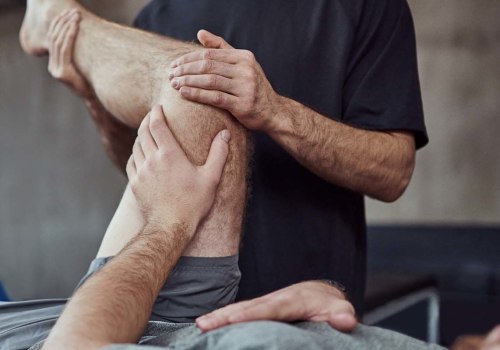
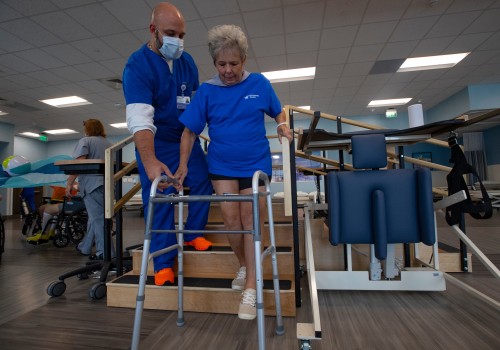
Others may concentrate on physical rehabilitation, helping patients regain strength and mobility after surgeries or accidents. Additionally, there are centers that provide dual diagnosis treatment, catering to individuals who face both mental health disorders and substance use issues simultaneously. The services offered at rehabilitation centers can vary widely, but they typically include a combination of medical care, therapeutic interventions, and support groups. Patients may engage in individual therapy sessions, group counseling, and holistic treatments such as yoga or art therapy. Furthermore, many centers emphasize the importance of aftercare planning to ensure that individuals have the necessary resources and support once they complete their initial treatment program. Understanding the different types of rehabilitation services available is essential for anyone seeking help for themselves or a loved one.
By exploring the options and recognizing the specific needs of the individual in recovery, families can make informed decisions that lead to successful outcomes. In a bustling metropolis like New York City, where resources are abundant yet diverse, finding the right rehabilitation center is not just about location; it’s about finding a place that aligns with one’s personal recovery goals.
Types of Rehabilitation Centers in New York City
When searching for rehabilitation centers in New York City, it’s essential to understand the various types of facilities available. Each type of rehab center caters to different needs and circumstances, making it crucial to choose one that aligns with your specific requirements.Inpatient Rehabilitation Centers
Inpatient rehabilitation centers provide a structured environment where individuals can focus entirely on their recovery. Patients reside at the facility for the duration of their treatment, which can range from a few weeks to several months.This type of rehab is particularly beneficial for those with severe addiction issues or co-occurring mental health disorders. Inpatient programs typically offer:
- 24/7 Medical Supervision: Continuous support from healthcare professionals ensures that patients receive immediate assistance if needed.
- Comprehensive Treatment Plans: These plans often include therapy sessions, group counseling, and holistic approaches tailored to individual needs.
- Structured Environment: The controlled setting minimizes distractions and triggers, allowing patients to concentrate on their recovery.
Outpatient Rehabilitation Centers
Outpatient rehabilitation centers offer flexibility for individuals who may not require intensive treatment or who have responsibilities such as work or family. Patients attend therapy sessions during the day or evening while living at home. Outpatient programs can vary in intensity and may include:- Individual Counseling: One-on-one sessions with a therapist help address personal challenges and develop coping strategies.
- Group Therapy: Sharing experiences with others in recovery fosters a sense of community and support.
- Aftercare Services: Many outpatient centers provide ongoing support after the initial treatment phase, helping individuals maintain their sobriety.
Specialized Rehabilitation Services
Some rehabilitation centers focus on specific populations or types of addiction, offering specialized services that cater to unique needs.These may include:
- Dual Diagnosis Treatment: Facilities that address both substance abuse and mental health disorders simultaneously.
- Gender-Specific Programs: Some centers offer programs tailored for men or women, recognizing the different challenges each gender may face in recovery.
- Cultural Competency Programs: These facilities provide services that are sensitive to the cultural backgrounds of their clients, ensuring a more relatable and effective treatment experience.
Key Locations for Rehabilitation Centers in NYC
New York City is a vast metropolis with a diverse array of neighborhoods, each offering unique characteristics that can influence your choice of a rehabilitation center. Understanding the geographical distribution of these centers can significantly aid in finding the right fit for your recovery journey.Manhattan
is often considered the epicenter of rehabilitation services in NYC. With its high concentration of facilities, residents and visitors alike can find numerous options ranging from outpatient programs to intensive inpatient care.
Areas like the Upper West Side and Midtown are particularly known for their accessibility to top-rated rehab centers. The proximity to public transportation makes it easier for individuals to attend regular sessions without the stress of long commutes.
Moving to Brooklyn , this borough has seen a surge in rehabilitation centers, especially in neighborhoods like Williamsburg and Park Slope. These areas not only provide a supportive community atmosphere but also offer various holistic treatment options that cater to different needs. The vibrant culture and community support in Brooklyn can be beneficial for those seeking a more integrated approach to recovery.
Staten Island
, while less populated with rehab facilities compared to Manhattan and Brooklyn, still offers valuable resources for those in need.
Centers here often focus on personalized care, allowing for a more intimate setting that can be conducive to healing. The serene environment of Staten Island can also provide a peaceful backdrop for recovery, away from the hustle and bustle of the city. When considering accessibility, it’s essential to evaluate not just the location but also the transportation options available. Many rehab centers are strategically located near subway lines or bus routes, making them easily reachable for individuals who may not have access to a car. Additionally, some facilities offer shuttle services or partnerships with local transport services to ensure that clients can attend their appointments without hassle. In summary, whether you are looking for a center in the heart of Manhattan, the artistic vibe of Brooklyn, or the tranquil settings of Staten Island, New York City has a variety of rehabilitation options tailored to meet diverse needs.
By considering both location and accessibility, you can make an informed decision that supports your recovery journey.
What to Look for in a Rehabilitation Center
Choosing the right rehabilitation center is a critical step in the recovery journey. With numerous options available, it’s essential to evaluate each facility carefully to ensure it meets your specific needs. Here are some key factors to consider when selecting a rehab center:- Type of Treatment Offered: Different centers specialize in various treatment modalities, including inpatient, outpatient, detoxification, and holistic therapies. Determine which type aligns with your recovery goals.
-
Accreditation: Verify that the rehabilitation center is accredited by recognized organizations such as the Joint Commission or the Commission on Accreditation of Rehabilitation Facilities (CARF).
Accreditation ensures that the facility meets high standards of care and safety.
- Success Rates: Inquire about the center's success rates and outcomes for patients who have completed their programs. A reputable facility should be transparent about its statistics and provide evidence of effective treatment.
- Staff Qualifications: Research the qualifications and experience of the staff members, including therapists, counselors, and medical professionals. A well-trained team can significantly impact the quality of care you receive.
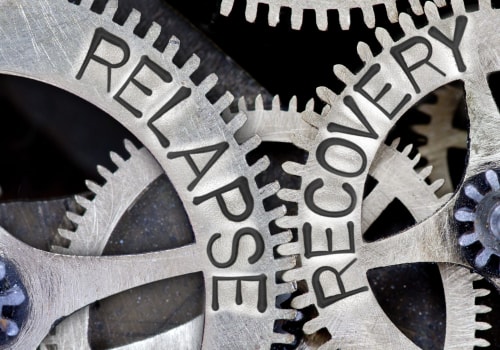
- Aftercare Programs: Recovery doesn’t end after leaving a rehab center. Ask about aftercare services, such as support groups or follow-up counseling, which can help maintain sobriety and prevent relapse.
- What specific therapies and treatments do you offer?
- How long is the typical program duration?
- What is your policy regarding family involvement in treatment?
- Are there any additional costs not covered by insurance?
- What measures do you have in place for patient safety and comfort?
Remember, finding the right rehabilitation center is not just about location or cost; it’s about finding a place that fosters healing and growth.
Success Rates and Treatment Approaches
When considering a rehabilitation center, understanding the success rates and the treatment approaches they utilize is crucial. Success rates can vary significantly among facilities, influenced by factors such as the type of addiction, the duration of treatment, and the specific methodologies employed. Many centers report their success rates based on the percentage of patients who achieve sobriety after completing their programs. However, it’s essential to look beyond these numbers. A comprehensive evaluation should include how long patients maintain their sobriety post-treatment and whether they have access to ongoing support.Common Treatment Approaches
Rehabilitation centers in New York City employ a variety of treatment methods, each tailored to meet the unique needs of individuals.Some of the most common approaches include:
- Behavioral Therapy: This method focuses on changing harmful behaviors associated with addiction. Cognitive Behavioral Therapy (CBT) is particularly effective in helping individuals identify triggers and develop coping strategies.
- Medication-Assisted Treatment (MAT): For certain addictions, such as opioid dependency, MAT combines medications with counseling and behavioral therapies to provide a holistic approach to recovery.
- Group Therapy: Many centers emphasize the importance of community support. Group therapy sessions allow individuals to share experiences and learn from one another, fostering a sense of belonging and accountability.
- Holistic Approaches: Some facilities incorporate alternative therapies such as yoga, meditation, and art therapy to promote overall well-being and address the emotional aspects of addiction.
Evidence-Based Practices
The most reputable rehabilitation centers adhere to evidence-based practices, which are treatments that have been scientifically validated through research. These practices ensure that patients receive care that is not only effective but also tailored to their specific needs.Facilities that prioritize evidence-based methods often report higher success rates due to their commitment to proven strategies. In summary, when evaluating rehabilitation centers in New York City, it is vital to consider both their success rates and the treatment approaches they offer. By focusing on evidence-based practices and understanding the various methodologies available, individuals can make informed decisions that enhance their chances of successful recovery.
Aftercare and Support Services
After completing a rehabilitation program, the journey to recovery is far from over. In fact, the transition from a structured environment back to everyday life can be one of the most challenging phases for individuals in recovery. This is where aftercare programs and support services play a crucial role in ensuring long-term success and preventing relapse.Importance of Aftercare in Recovery
Aftercare is essential because it provides ongoing support and resources that help individuals maintain their sobriety.
Studies have shown that those who engage in aftercare programs are significantly less likely to relapse compared to those who do not. These programs offer a safety net, allowing individuals to navigate the complexities of life post-rehab with guidance and encouragement.
Types of Aftercare Programs
- Support Groups: Many rehabilitation centers facilitate support groups such as Alcoholics Anonymous (AA) or Narcotics Anonymous (NA). These groups provide a community of peers who understand the challenges of recovery, offering emotional support and accountability.
- Individual Counseling: One-on-one therapy sessions can help individuals address personal issues that may contribute to substance use. This tailored approach allows for deeper exploration of triggers and coping strategies.
- Sober Living Houses: For those needing a more structured environment, sober living houses offer a transitional space where individuals can live with others in recovery while gradually reintegrating into society.
- Relapse Prevention Programs: These programs focus on teaching skills to identify triggers and develop coping mechanisms, which are vital for maintaining sobriety.
Support Services After Rehab
In addition to aftercare programs, many rehabilitation centers offer various support services designed to assist individuals in their recovery journey:
-
Job Placement Assistance: Finding employment can be daunting after rehab.
Many centers provide resources and connections to help individuals secure jobs, which can foster a sense of purpose and stability.
- Family Support Programs: Recovery affects not just the individual but also their loved ones. Family therapy sessions can help mend relationships and educate family members on how to support their loved one effectively.
- Health and Wellness Programs: Physical health is closely tied to mental well-being. Many centers offer fitness classes, nutritional counseling, and wellness workshops to promote a holistic approach to recovery.
Personal Stories and Testimonials
Personal stories and testimonials from individuals who have successfully navigated the journey of rehabilitation can provide invaluable insights into the process and outcomes of rehab.These narratives not only highlight the challenges faced but also celebrate the triumphs achieved through dedication and support.
John's Journey to Recovery
At 32, John found himself at a crossroads. After years of battling addiction, he decided to seek help at a local rehab center in Brooklyn. "I was skeptical at first," he recalls. "But the moment I walked through those doors, I felt a sense of hope.
The staff was incredibly supportive, and I realized I wasn’t alone in this fight." John participated in both individual and group therapy sessions, which he credits for helping him confront his past and develop coping strategies. Today, he has been sober for over two years and is passionate about sharing his story to inspire others.
Maria's Transformation
Maria's experience with rehab was transformative. After struggling with substance abuse for nearly a decade, she entered a residential program in Manhattan. "The first few days were tough; I had to face my demons," she shares.
"But the community I found there was incredible. We supported each other through our darkest moments." Maria emphasizes the importance of aftercare, stating that ongoing support groups have been crucial in maintaining her sobriety. She now works as a peer counselor, helping others navigate their recovery journeys.
Community Impact
Many rehab centers in New York City encourage sharing personal experiences as part of their therapeutic approach. This not only fosters a sense of community but also reinforces the idea that recovery is possible.
Testimonials from former patients often highlight the importance of finding a facility that resonates with their personal needs and values.
Why Personal Stories Matter
- Human Connection: Personal stories create an emotional connection that statistics alone cannot achieve.
- Inspiration: Hearing about others' successes can motivate individuals who are hesitant to seek help.
- Realistic Expectations: Testimonials provide insight into what one might expect during their own rehabilitation journey.
Frequently Asked Questions about Rehabilitation Centers in NYC
When considering rehabilitation centers in New York City, many individuals and families have pressing questions. Understanding the nuances of rehab can significantly impact the decision-making process. Here are some frequently asked questions that can help clarify what to expect from rehabilitation services.What types of rehabilitation programs are available?
Rehabilitation centers in NYC offer a variety of programs tailored to different needs.These include:
- Inpatient Rehabilitation: This type involves a residential stay at the facility, providing 24/7 support and a structured environment.
- Outpatient Rehabilitation: Ideal for those who do not require constant supervision, outpatient programs allow individuals to attend therapy sessions while living at home.
- Partial Hospitalization Programs (PHP): These programs offer intensive treatment during the day but allow patients to return home at night.
- Detoxification Services: Many centers provide medically supervised detox to help individuals safely withdraw from substances.
How do I choose the right rehabilitation center?
Selecting the right rehab center involves careful consideration of several factors:- Accreditation: Ensure the facility is accredited by recognized organizations, which indicates adherence to high standards of care.
- Treatment Approaches: Research the types of therapies offered, such as cognitive-behavioral therapy (CBT), group therapy, or holistic approaches.
- Success Rates: Inquire about the center's success rates and aftercare programs, as these can provide insight into their effectiveness.
- Location: Consider how far you are willing to travel for treatment, especially for outpatient services.
What should I expect during the rehabilitation process?
The rehabilitation process typically involves several stages:- Assessment: A comprehensive evaluation will determine the appropriate level of care and treatment plan.
- Treatment: Patients engage in various therapeutic activities designed to address their specific issues and promote recovery.
- Aftercare Planning: Successful rehab includes planning for ongoing support after leaving the facility, which may involve follow-up therapy or support groups.
Conclusion: Finding the Right Rehabilitation Center for You
Choosing the right rehabilitation center is a critical step in the journey toward recovery. As we have explored throughout this article, New York City offers a diverse array of options, each with its unique strengths and specialties. Whether you are seeking treatment for substance abuse, physical rehabilitation, or mental health support, understanding your needs and the available resources is essential. When evaluating potential rehabilitation centers, consider the following key factors:-
Type of Treatment: Different centers specialize in various forms of treatment.
Some may focus on outpatient services, while others provide residential programs. Assess what type of care aligns best with your situation.
- Accreditation and Credentials: Ensure that the facility is accredited by relevant health organizations. This can be an indicator of quality and adherence to industry standards.
- Success Rates: Inquire about the center's success rates and patient outcomes. A facility that tracks and shares this information demonstrates transparency and commitment to effective treatment.
-
Location: Proximity can play a significant role in your recovery process.
Consider how far you are willing to travel for treatment, especially if you will be attending regular sessions.
- Aftercare Services: Recovery doesn’t end when you leave the center. Look for facilities that offer robust aftercare programs to support your transition back into daily life.