Rehabilitation, often referred to as rehab, is a critical process for individuals grappling with the challenges of addiction. It serves as a beacon of hope, guiding those affected by substance use disorders (SUD) toward a path of recovery and renewed purpose. Understanding the multifaceted nature of rehabilitation is essential for anyone seeking to overcome addiction, as it encompasses a range of therapeutic approaches designed to address both the physical and psychological aspects of dependency. At its core, rehabilitation aims to equip individuals with the necessary tools and strategies to break free from the cycle of addiction. This journey is not merely about abstaining from substances; it involves a comprehensive transformation that fosters healthier lifestyles and emotional well-being.
The significance of rehab extends beyond the immediate goal of sobriety; it lays the groundwork for long-term recovery by addressing underlying issues that may contribute to substance abuse. Throughout this exploration of rehabilitation, we will delve into various treatment modalities, including counseling, medication-assisted treatment, and holistic therapies. Each approach plays a vital role in helping individuals understand their addiction, develop coping mechanisms, and build resilience against relapse. Moreover, we will highlight the importance of aftercare services and support networks that are crucial in sustaining recovery beyond the confines of a treatment facility. As we embark on this journey through the world of rehab, it is important to recognize that recovery is not a linear process. It requires patience, commitment, and a willingness to confront personal challenges.
By fostering an understanding of rehabilitation's significance, we can empower individuals to take the first steps toward achieving a healthy and sober lifestyle.
The Importance of Rehabilitation in Recovery
Rehabilitation plays a pivotal role in the journey toward recovery for individuals grappling with addiction. It serves as a structured environment where individuals can confront their substance use disorders (SUD) and begin to rebuild their lives. The importance of rehab cannot be overstated, as it provides essential support, resources, and strategies that are crucial for long-term sobriety. One of the primary benefits of rehabilitation is the comprehensive approach it takes to address addiction. Unlike casual attempts to quit, rehab programs offer a multifaceted treatment plan that includes:- Medical Support: Many rehabilitation centers provide medical supervision to manage withdrawal symptoms safely and effectively.
This medical oversight is vital for individuals who may experience severe physical reactions when they stop using substances.
- Therapeutic Interventions: Therapy sessions, whether individual or group-based, allow individuals to explore the psychological aspects of their addiction. These sessions help in identifying triggers, understanding emotional responses, and developing healthier coping mechanisms.
- Life Skills Training: Rehabilitation programs often include training in essential life skills that are necessary for maintaining sobriety. This can encompass financial management, job readiness, and interpersonal communication skills.
This supportive environment encourages open dialogue and shared experiences, which can be incredibly healing. The recovery process is not merely about abstaining from substances; it is about transforming one’s life. Rehabilitation equips individuals with the tools they need to navigate challenges post-treatment. For instance, many programs emphasize the importance of aftercare services such as:
- Support Groups: Programs like Alcoholics Anonymous (AA) or Narcotics Anonymous (NA) provide ongoing support and accountability.
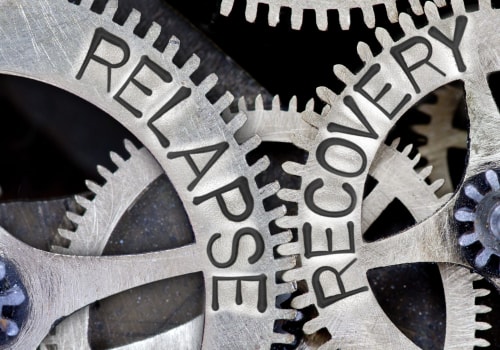
- Relapse Prevention Strategies: Learning to recognize triggers and develop strategies to cope with cravings is crucial for sustaining recovery.
By investing time and effort into rehabilitation, individuals can achieve lasting change and reclaim their lives from the grips of addiction.
Types of Rehabilitation Programs
When it comes to overcoming addiction, understanding the different types of rehabilitation programs is crucial for individuals seeking recovery. Each program is designed to cater to varying needs, preferences, and levels of addiction severity. Below, we explore the primary types of rehab programs, focusing on the distinctions between inpatient and outpatient options.Inpatient Rehabilitation Programs
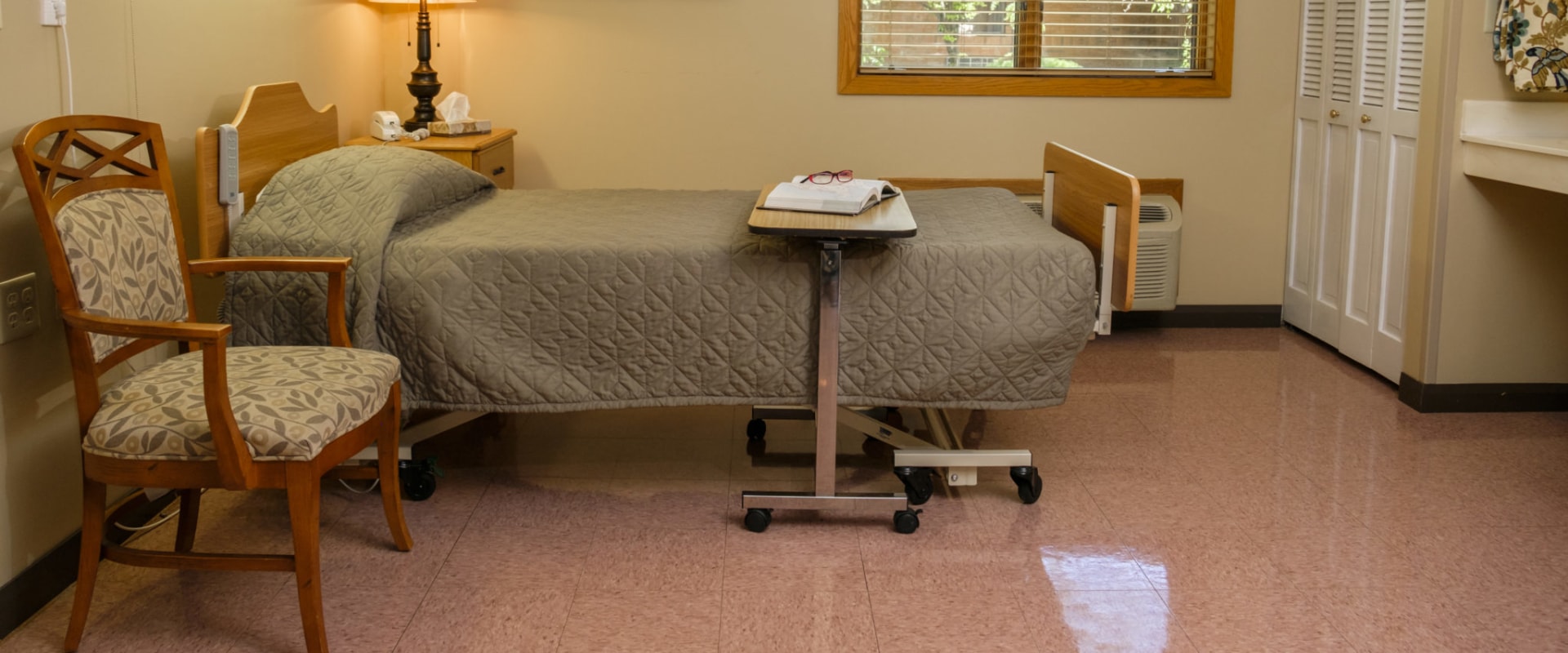
Inpatient rehab programs require individuals to reside at a treatment facility for the duration of their program. This type of rehabilitation is often recommended for those with severe addiction issues or co-occurring mental health disorders.The structured environment provides a safe space where individuals can focus entirely on their recovery without external distractions.
- 24/7 Medical Supervision: Inpatient facilities offer round-the-clock medical care, which is essential for managing withdrawal symptoms and ensuring safety during the detoxification process.
- Comprehensive Treatment: These programs typically include a combination of individual therapy, group therapy, and holistic approaches such as yoga or art therapy.
- Supportive Community: Living alongside peers who are also in recovery fosters a sense of camaraderie and support, which can be invaluable during the healing process.
Outpatient Rehabilitation Programs
Outpatient rehab programs allow individuals to receive treatment while continuing to live at home. This flexibility makes outpatient options appealing for those with work or family commitments. However, they may not be suitable for everyone, particularly those with severe addictions.- Flexible Scheduling: Outpatient programs typically offer sessions during evenings or weekends, making it easier for individuals to attend while maintaining their daily responsibilities.
- Variety of Therapies: Similar to inpatient programs, outpatient rehab includes individual counseling, group therapy, and educational sessions about addiction and recovery.
- Lower Cost: Generally, outpatient treatment is more affordable than inpatient care, making it accessible for many individuals seeking help.
Residential Treatment Programs
Residential treatment is a specific type of inpatient program where individuals stay at a facility for an extended period—often 30 days or longer. This immersive approach allows for intensive therapy and support.- Structured Environment: Residents follow a daily schedule that includes therapy sessions, meals, and recreational activities designed to promote healing.
- Focus on Recovery Skills: Programs often emphasize life skills training to prepare individuals for successful reintegration into society post-treatment.
- Aftercare Planning: Many residential programs include aftercare services to help individuals transition back into their daily lives while maintaining sobriety.
Understanding the differences between inpatient and outpatient options can empower individuals to make informed choices on their path to recovery.
The Rehabilitation Process: Steps to Recovery
The journey through rehabilitation is a multifaceted process that requires commitment, understanding, and support. Each individual's path to recovery is unique, but there are common steps that most people will encounter during their time in rehab. Understanding these stages can help demystify the process and prepare individuals for what lies ahead.1.Assessment and Evaluation
The first step in the rehabilitation process involves a comprehensive assessment. This evaluation is crucial as it helps healthcare professionals understand the severity of the addiction, any co-occurring mental health disorders, and the individual's personal history.
During this stage, individuals may undergo:
- Medical examinations
- Psycho-social assessments
- Substance use history reviews
2.Detoxification
For many, detoxification is the next step. This phase involves clearing the body of substances and managing withdrawal symptoms. Detox can be challenging and may require medical supervision, especially for those with severe addictions. The goal is to ensure safety and comfort while the body adjusts to functioning without drugs or alcohol.
3.Inpatient or Outpatient Treatment
After detox, individuals typically transition into either inpatient or outpatient treatment programs:
- Inpatient Treatment: This option provides a structured environment where individuals reside at the facility full-time.
It offers intensive therapy sessions, medical care, and a supportive community.
- Outpatient Treatment: For those who have responsibilities or prefer to stay at home, outpatient programs allow individuals to attend therapy sessions while living independently.
4.Therapy and Counseling
Therapeutic interventions are at the heart of rehabilitation. Various forms of therapy may be employed, including:
- Cognitive Behavioral Therapy (CBT): Helps individuals identify and change negative thought patterns.
- Group Therapy: Provides a supportive environment where individuals can share experiences and learn from one another.
- Family Therapy: Involves family members in the recovery process to mend relationships and improve communication.
5.Aftercare Planning
The final step in the rehabilitation process is developing an aftercare plan. This plan is essential for maintaining sobriety post-rehab and may include:
- Continued therapy sessions
- Support group participation (e.g., 12-step programs)
- Lifestyle changes to avoid triggers
Therapeutic Approaches in Rehabilitation
In the journey toward recovery, various therapeutic approaches play a crucial role in helping individuals overcome addiction. These methods not only address the physical aspects of substance use disorders but also delve into the emotional and psychological factors that contribute to addiction.Understanding these approaches can empower individuals to choose the right path for their recovery.
Counseling Methods
- Individual Counseling: This one-on-one therapy allows individuals to explore their thoughts, feelings, and behaviors in a safe environment. A trained counselor can help identify triggers and develop coping strategies tailored to the individual's needs.
- Group Therapy: Group sessions provide a supportive community where individuals can share their experiences and learn from others facing similar challenges. This collective approach fosters a sense of belonging and accountability.
- Family Therapy: Addiction affects not just the individual but also their loved ones. Family therapy aims to improve communication, resolve conflicts, and rebuild trust among family members, creating a supportive home environment for recovery.
Holistic Approaches to Addiction Treatment
In addition to traditional counseling methods, many rehabilitation centers incorporate holistic therapies that address the whole person—mind, body, and spirit.
These approaches recognize that recovery is not solely about abstaining from substances but also about fostering overall well-being.
- Mindfulness and Meditation: Practices such as mindfulness meditation help individuals develop greater awareness of their thoughts and feelings, reducing stress and anxiety while promoting emotional regulation.
- Yoga and Physical Activity: Engaging in physical activities like yoga not only improves physical health but also enhances mental clarity and emotional stability. These practices encourage self-discipline and promote a sense of peace.
- Nutritional Counseling: A balanced diet plays a vital role in recovery. Nutritional counseling helps individuals understand how food impacts their mood and energy levels, supporting their overall health during the recovery process.
Medication-Assisted Treatment (MAT)
Medication-Assisted Treatment, commonly referred to as MAT, is a comprehensive approach to treating substance use disorders (SUD) that combines the use of medications with counseling and behavioral therapies.This dual approach aims to address both the physical and psychological aspects of addiction, providing individuals with a more effective pathway to recovery.
How MAT Works
MAT works by utilizing specific medications that target the brain's chemistry, helping to alleviate withdrawal symptoms and reduce cravings associated with substance use. These medications are carefully prescribed and monitored by healthcare professionals to ensure safety and effectiveness. The primary goal of MAT is to stabilize the individual, allowing them to engage more fully in therapeutic activities and support systems.
Common Medications Used in MAT
- Buprenorphine: This medication is a partial opioid agonist that helps reduce cravings and withdrawal symptoms without producing the same euphoric effects as full agonists. It can be particularly effective for those recovering from opioid addiction.
- Naltrexone: An opioid antagonist, naltrexone blocks the effects of opioids and can help prevent relapse by reducing the rewarding effects of drug use.
- Disulfiram: Often used for alcohol dependence, disulfiram creates unpleasant reactions when alcohol is consumed, thereby discouraging drinking.
- Acamprosate: This medication helps restore the balance of neurotransmitters in the brain that may be disrupted by chronic alcohol use, aiding in maintaining sobriety.
The Role of MAT in Recovery
MAT plays a crucial role in the recovery process by providing individuals with a stable foundation from which they can rebuild their lives.
By managing withdrawal symptoms and cravings, MAT allows individuals to focus on therapy and support groups, which are essential components of long-term recovery. Furthermore, MAT can significantly reduce the risk of relapse, making it an invaluable tool in the fight against addiction. In addition to medication, MAT programs often include counseling sessions that help individuals develop coping strategies, address underlying issues related to their addiction, and build a supportive network. This holistic approach not only aids in physical recovery but also fosters emotional healing and personal growth. Ultimately, Medication-Assisted Treatment is not a standalone solution; it is most effective when integrated into a comprehensive rehabilitation program that addresses all facets of an individual's life. With the right combination of medication, therapy, and support, individuals can achieve lasting recovery and lead fulfilling lives free from addiction.
Aftercare Services: Continuing Support Post-Rehabilitation
After completing a rehabilitation program, the journey towards a healthy and sober lifestyle continues.This is where aftercare services play a crucial role in ensuring long-term recovery. Aftercare encompasses a variety of support systems designed to help individuals maintain their sobriety and navigate the challenges that may arise after leaving a treatment facility. One of the most effective components of aftercare is participation in support groups. These groups provide a safe space for individuals to share their experiences, struggles, and successes with others who understand what they are going through. Support groups can take many forms, including:
- 12-Step Programs: Programs like Alcoholics Anonymous (AA) and Narcotics Anonymous (NA) follow a structured approach to recovery, emphasizing personal accountability and community support.
- SMART Recovery: This program focuses on self-empowerment and teaches individuals how to manage their addiction through cognitive-behavioral techniques.
- Online Support Groups: For those who may have difficulty attending in-person meetings, online platforms offer virtual support groups that provide flexibility and accessibility.
These strategies help individuals identify potential triggers and create actionable plans to avoid them. Some effective relapse prevention techniques include:
- Identifying Triggers: Understanding what situations, people, or emotions lead to cravings can empower individuals to avoid these triggers or develop coping mechanisms.
- Building a Support Network: Surrounding oneself with supportive friends and family members who encourage sobriety can provide a strong foundation for recovery.
- Engaging in Healthy Activities: Finding new hobbies or interests can help fill the time previously spent on substance use and promote a healthier lifestyle.
- Regular Check-Ins with Counselors: Continuing therapy or counseling sessions can provide ongoing support and guidance as individuals navigate their recovery journey.
Challenges Faced During Rehabilitation and Recovery
Rehabilitation is a transformative journey, but it is not without its challenges.Individuals seeking recovery from addiction often encounter various obstacles that can hinder their progress. Understanding these challenges is crucial for developing effective strategies to overcome them. One of the most significant challenges faced during rehabilitation is cravings. These intense urges to use substances can be overwhelming and may occur unexpectedly. Cravings can be triggered by numerous factors, including:
- Environmental cues: Places, people, or situations associated with past substance use can evoke strong desires to relapse.
- Emotional distress: Feelings of anxiety, depression, or stress can lead individuals to seek comfort in substances.
- Social pressure: Interactions with friends or family members who still engage in substance use can create temptation.
- Avoid triggers: Identifying and steering clear of environments or situations that provoke cravings is essential.
- Develop coping mechanisms: Engaging in healthy activities such as exercise, meditation, or hobbies can provide alternative outlets for stress relief.
- Seek support: Regularly attending support groups or therapy sessions can help individuals share their experiences and receive encouragement from others who understand their struggles.
Many individuals worry that they will revert to old habits after completing a rehabilitation program. This fear can be paralyzing and may prevent them from fully engaging in the recovery process. To address this concern, it is vital to focus on building a strong support network and developing a comprehensive aftercare plan that includes:
- Continued therapy: Ongoing counseling can help individuals process their experiences and reinforce coping strategies.
- Relapse prevention training: Learning to recognize personal triggers and developing action plans for managing them can empower individuals to maintain their sobriety.
- Engagement in sober activities: Finding new hobbies or interests that do not involve substance use can help fill the void left by addiction.
Success Stories: Inspiring Journeys to Sobriety
Success stories from individuals who have undergone rehabilitation programs serve as powerful reminders of the resilience of the human spirit.These narratives not only highlight the transformative power of rehab but also provide hope and inspiration to those still battling addiction.
John's Journey: From Despair to Hope
At the age of 32, John found himself trapped in a cycle of addiction that had cost him his job, relationships, and self-respect. After hitting rock bottom, he decided to enter a rehabilitation program. Through a combination of individual therapy, group sessions, and holistic approaches like yoga and meditation, John began to uncover the root causes of his addiction. He learned to cope with stress and anxiety without turning to substances.
Today, John is not only sober but also works as a peer counselor, helping others navigate their recovery journeys.
Maria's Transformation: Embracing Life Again
Maria struggled with alcohol dependency for over a decade. Her turning point came when she realized that her addiction was affecting her children. After enrolling in a comprehensive rehab program, Maria engaged in family therapy sessions that helped mend her relationships. The support she received from fellow participants and counselors was instrumental in her recovery.
Now, Maria is an advocate for sober living and shares her story at community events, inspiring others to seek help.
David's Path: Finding Purpose Through Recovery
David's battle with opioid addiction began after a sports injury led to prescription painkillers. After several unsuccessful attempts to quit on his own, he entered a rehab facility that offered medication-assisted treatment (MAT). This approach helped him manage withdrawal symptoms while he focused on therapy and personal development. David now runs a blog where he shares his experiences and offers advice to those struggling with similar issues, proving that recovery can lead to newfound purpose.
These testimonials illustrate that recovery is not just about abstaining from substances; it’s about rebuilding lives and finding joy in everyday moments.
Each story emphasizes the importance of support systems—whether through family, friends, or fellow rehab participants—in achieving lasting sobriety. As we reflect on these inspiring journeys, it becomes clear that rehabilitation is a vital step toward reclaiming one’s life. The courage displayed by individuals like John, Maria, and David serves as a beacon of hope for anyone seeking to overcome addiction.
Conclusion: Embracing a Healthy and Sober Lifestyle
In conclusion, the journey towards a healthy and sober lifestyle is a multifaceted process that requires commitment, support, and the right resources. Throughout this article, we have explored the various aspects of rehab and its critical role in overcoming addiction. It is essential to recognize that recovery is not merely about abstaining from substances; it is about transforming one’s life and developing a new way of living. Rehabilitation programs provide individuals with the necessary tools to address the underlying causes of their addiction.By engaging in therapies such as cognitive-behavioral therapy, group counseling, and holistic approaches, individuals can gain insights into their behaviors and thought patterns. This self-awareness is crucial for making lasting changes. Moreover, the importance of aftercare cannot be overstated. Support groups and ongoing counseling play a vital role in maintaining sobriety after completing a rehabilitation program. These resources help individuals navigate the challenges of everyday life while reinforcing their commitment to recovery. As we have discussed, relapse prevention strategies are integral to sustaining a sober lifestyle.
By identifying triggers and developing coping mechanisms, individuals can better manage cravings and avoid situations that may lead to relapse. This proactive approach empowers individuals to take control of their recovery journey. Ultimately, embracing a healthy and sober lifestyle is about more than just avoiding substances; it involves cultivating a fulfilling life filled with purpose and connection. Engaging in activities that promote physical health, such as exercise and nutrition, alongside building strong relationships with supportive friends and family, can significantly enhance one’s quality of life. In summary, rehabilitation serves as a foundation for achieving lasting recovery. With dedication and the right support system in place, individuals can overcome addiction and embrace a future filled with hope, health, and happiness.
The path may be challenging, but the rewards of living a sober life are immeasurable.